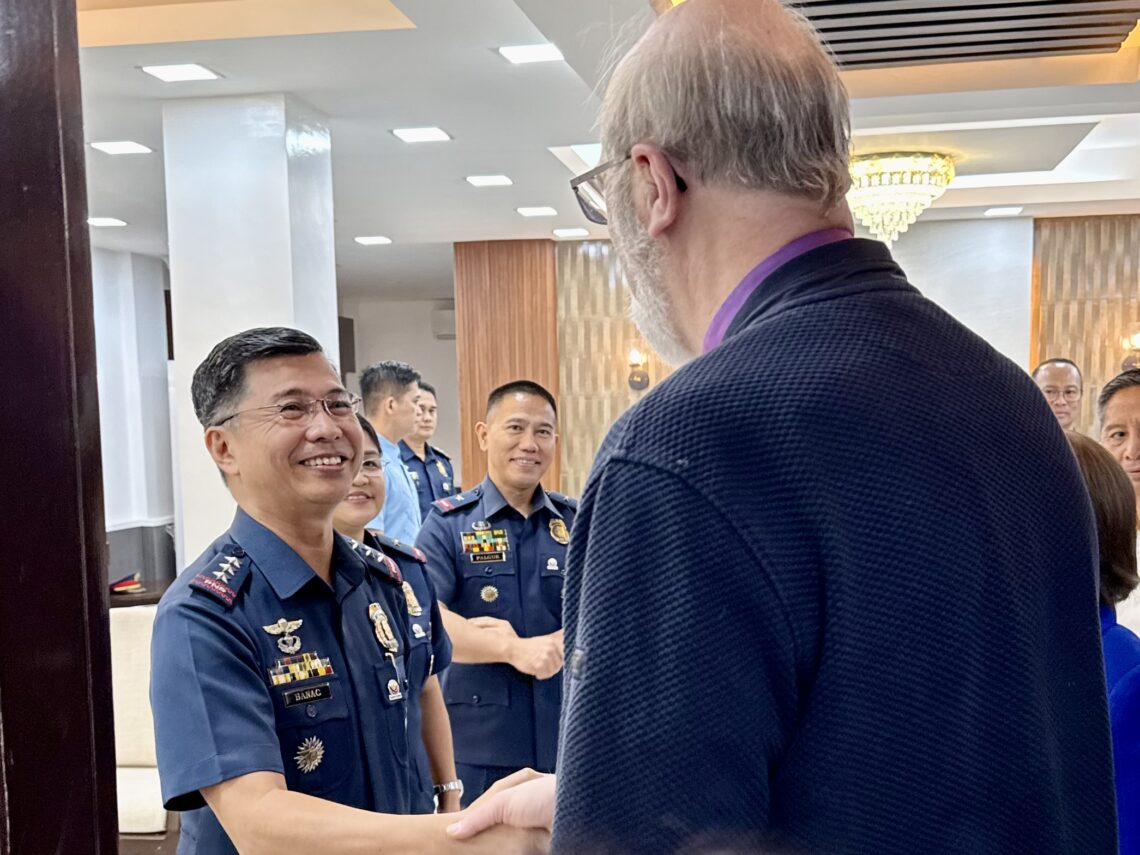
(Bonn, 19.10.2026) During a visit to the Philippines, the President of the International Society for Human Rights (ISHR), Prof. Dr. Thomas Schirrmacher, held discussions with high-ranking representatives of the Philippine National Police (PNP), civil society, and Christian organizations on the protection of children from human trafficking, sexual abuse, and exploitation. Particular emphasis was placed on the increasing sexual exploitation of children via the Internet and on the question of how law enforcement, social services, and new technological capabilities can be effectively integrated.
Discussions with the Philippine National Police
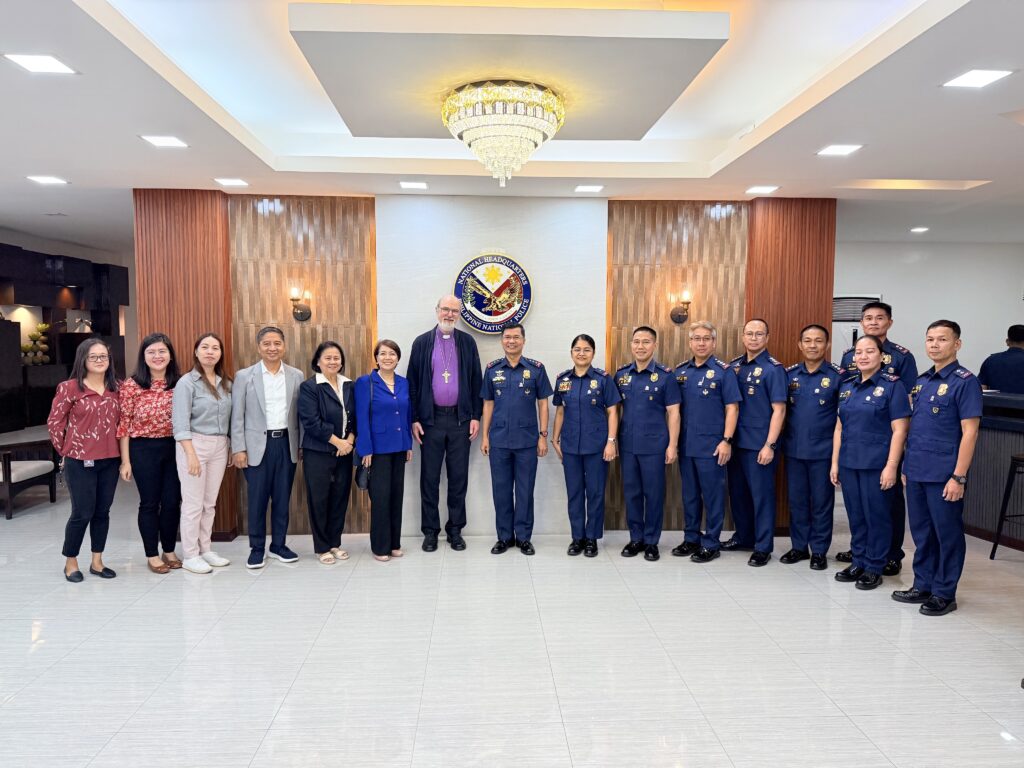
At the Philippine National Police headquarters in Camp Crame in Metro Manila, Schirrmacher was received by police leadership. The discussions centered on human trafficking, child abuse, and, in particular, online sexual abuse and exploitation of children (OSAEC). Among those he met with were Police General Jose Melencio Corpuz Nartatez Jr., Police Brigadier General Maria Sheila T. Portento, Acting Chief of the Women and Children Protection Center (WCPC), and Police Brigadier General Rex Arvin T. Malimban, Acting Director of the Integrity Monitoring and Enforcement Group (IMEG), the unit responsible for combating corruption and misconduct within the police force.
The country’s extensive digital infrastructure is also being exploited for forms of cybersex trafficking, livestream exploitation, and other forms of sexual violence against children. Poverty and social hardship increase the vulnerability of many families. Effective child protection therefore requires more than just identifying and prosecuting perpetrators: victims must be rescued from exploitative situations, protected, and provided with long-term support.
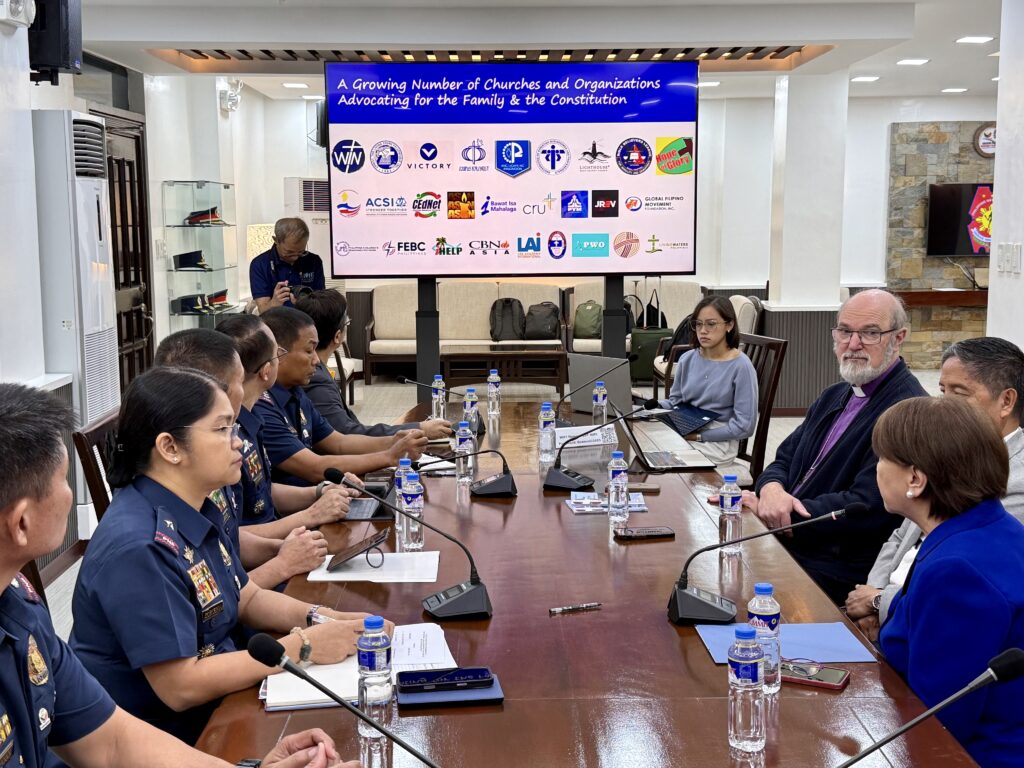
Maria Lourdes “Meilou” Aranal-Sereno, former Chief Justice of the Supreme Court of the Philippines and Chair of the National Coalition for the Family and the Constitution, also participated in the discussions. The meetings underscored the importance of close cooperation between the police, the judiciary, and civil society.
DejaVue: AI-Powered Tools Against Online Exploitation
A key focus was the use of artificial intelligence and modern digital tools to combat human trafficking and online exploitation. AI-powered systems can assist investigators in analyzing large volumes of data, identifying suspicious online activities and patterns, analyzing communication and financial networks, and accelerating cross-border investigations.
Against the backdrop of the ISHR’s collaboration with DejaVue AI Inc., a U.S.-based company specializing in AI-based solutions, Schirrmacher also presented the potential of such technology during discussions with the Philippine police. Especially when dealing with very large volumes of images and other digital material, these tools can help investigative authorities identify connections more quickly, locate victims, and uncover criminal networks. At the same time, Schirrmacher emphasized that technological innovation must always be guided by ethical responsibility and international human rights standards.
From Food Aid to Protecting Abused Girls
Visits to facilities run by HOPE worldwide Philippines highlighted what the necessary long-term support for at-risk and already affected children can look like. The organization has been working with children, adolescents, and families in need since 1993, combining nutrition, education, health care, family support, and child protection.
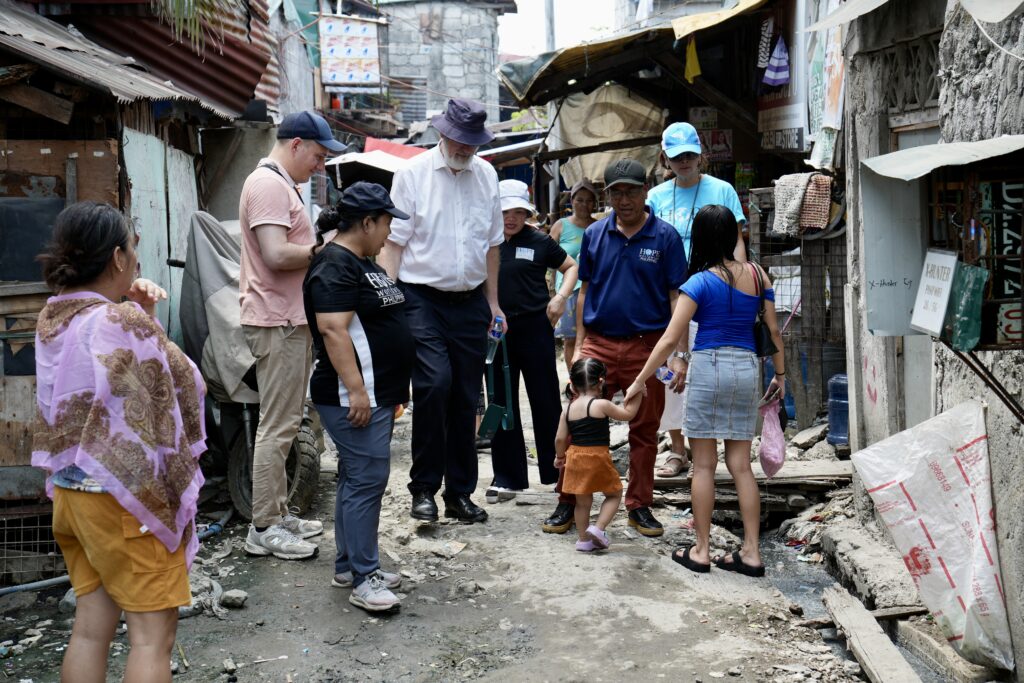
At the Center of HOPE in Baseco, in Manila’s port area, Schirrmacher learned about the work being done in one of the capital’s poorest and most densely populated communities. In addition to educational programs, a nutrition program for children is one of the organization’s core activities. Staff also provide support to families and children at risk of poverty, neglect, and exploitation.
The Center of HOPE in Laguna focuses more specifically on children who have already experienced violence and abuse. Among others, the center cares for girls who have been victims of sexual violence. They receive safe shelter, psychosocial care, educational support, medical care, and individualized support.
The visits made it clear that child protection must be understood as a interconnected chain: from nutrition, education, and prevention, through the identification of at-risk children, to the safe housing and rehabilitation of victims, as well as the criminal prosecution of perpetrators.
Long-standing partnerships build trust
HOPE worldwide Philippines has been supported by international partners for many years. These include the German aid organization Gebende Hände (Giving Hands) as well as U.S. partner organizations. The long-standing support for children—and especially for abused girls—has also fostered trust and credibility in discussions with government agencies. Among other things, Giving Hands supports nutrition and social programs, relying on existing local structures rather than short-term parallel projects.
Civil Society, Churches, and the Government Working Together
Another key focus was collaboration with Philippine civil society. Schirrmacher met with representatives of the National Coalition for the Family and the Constitution as well as Bishop Noel Pantoja of the Philippine Council of Evangelical Churches (PCEC). In many places, churches and Christian organizations have structures that reach into socially vulnerable population groups and can play an important role in prevention, education, family support, and the identification of at-risk children.
For the ISHR, the focus is on combining human rights protection with practical assistance. Human trafficking and the sexual exploitation of children cannot be combated through law enforcement alone, nor through social work alone. What is needed is a network comprising the police and the judiciary, human rights organizations, social service agencies, churches, and other civil society actors—supplemented by responsibly deployed technological innovation.
“Protecting children from human trafficking and sexual exploitation is a classic human rights task,” Schirrmacher explained. “It is crucial that those who can each contribute a part of the solution work together: the police and the judiciary, human rights organizations, social services, churches, and civil society. New technological possibilities can significantly support this work, but they must serve the protection of human dignity and clear ethical standards.”
Downloads and Links
- Photo 1: Schirrmacher greeted by the Chief of the Phillipine National Police Police General Jose Melencio Corpuz Nartatez Jr. © BQ/Martin Warnecke
- Photo 2: The Generals and leaders of the Philippine National Police and the delegates of National Coalition for the Constitution with Thomas Schirrmacher © BQ/Martin Warnecke
- Photo 3: Schirrmacher meeting the Phillipine National Police and the National Coaliation – Logos of the National Coalition © BQ/Martin Warnecke
- Photo 4: Schirrmacher listens to the National Coalition during the speech by former Supreme Court Justice Aranal-Sereno © BQ/Martin Warnecke
- Photo 5: HOPE Executive Director Moises “Jun” G. Velasco Jr. guides Thomas Schirrmacher and Martin Warnecke through Baseco. The visit gives the Gebende Hände representatives a firsthand insight into families’ living conditions and the need for local assistance. © BQ/Martin Warnecke
- Photo gallery “Manila – the Generals of the Philippine National Police”: https://thomasschirrmacher.net/?p=25847
- Photo gallery “Manila – National Coalition for the Constitution – Head of the Evangelical Allinace”: https://thomasschirrmacher.net/?p=25836
- Photo gallery “The ‘Helping Hands’ Project in the Greater Manila Area”: https://thomasschirrmacher.net/?p=26018
- Website of the International Society for Human Rights (ISHR): https://ishr.org
- Website of Giving Hands: https://gebende-haende.de
