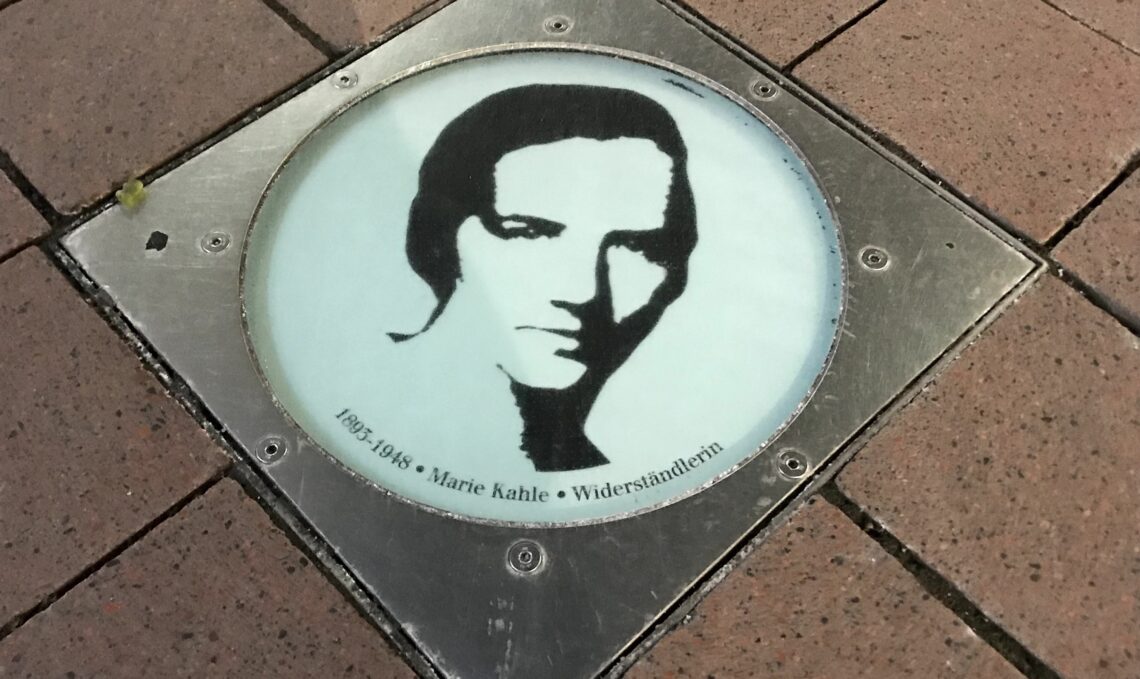
Christine Schirrmacher pays tribute to Marie Kahle at the Old Castle in Gießen
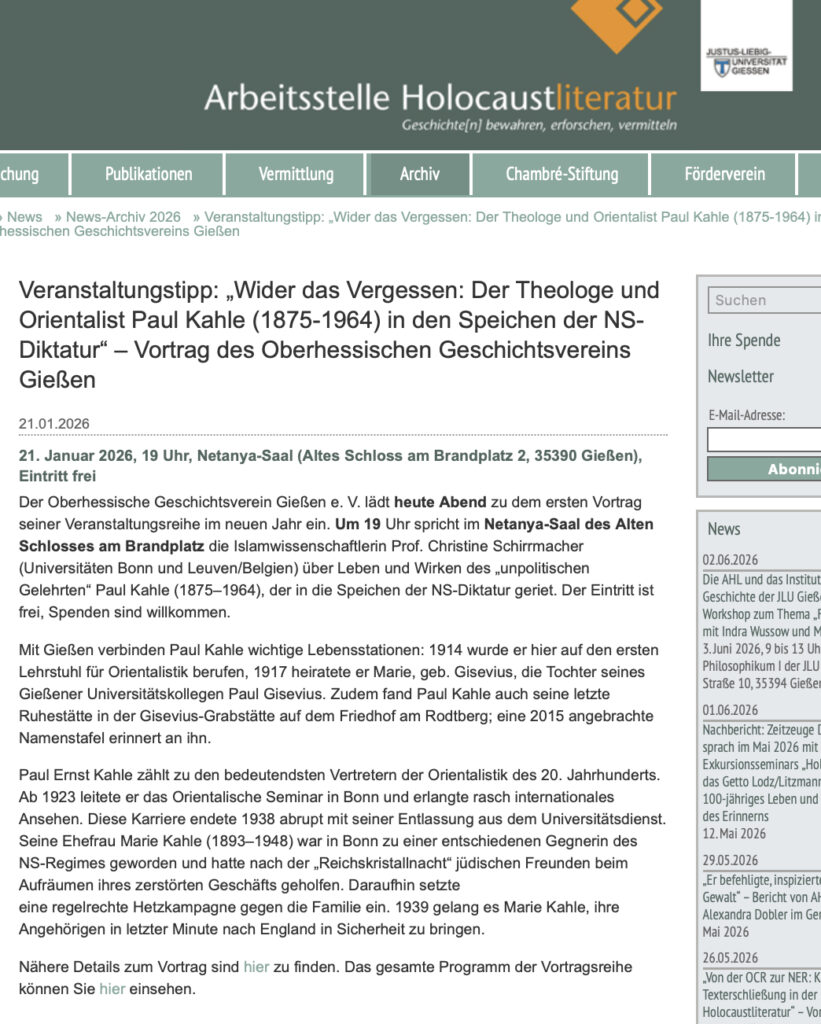
(Bonn, 19.06.2026) At the invitation of the Upper Hessian Historical Society, Bonn-based Islamic studies scholar Prof. Dr. Christine Schirrmacher delivered a public lecture titled “Marie Kahle (1893–1948) as a Member of the Resistance in the Third Reich” as part of the “Against Forgetting” event in the Netanya Hall of the Upper Hessian Museum in the Old Castle in the city of Giessen. In Bonn, Marie Kahle was known as an opponent of the Nazi regime. She protested against the boycotts of Jewish doctors and lawyers, hid Jews in the attic of her home for a time, and in 1939 saved her husband, the then world-famous orientalist Paul Kahle (1875–1964), and her five sons from persecution by the Gestapo. Schirrmacher shed light on the family history and Marie Kahle’s acts of resistance, which serve as a reminder to confront ideologies of power and domination in dark times.
The topic of “Paul and Marie Kahle” is directly linked to the university town of Giessen, because Paul Kahle was appointed to his first chair in Oriental Studies here in 1914, and a small commemorative plaque has been installed at the Old Cemetery in Giessen.
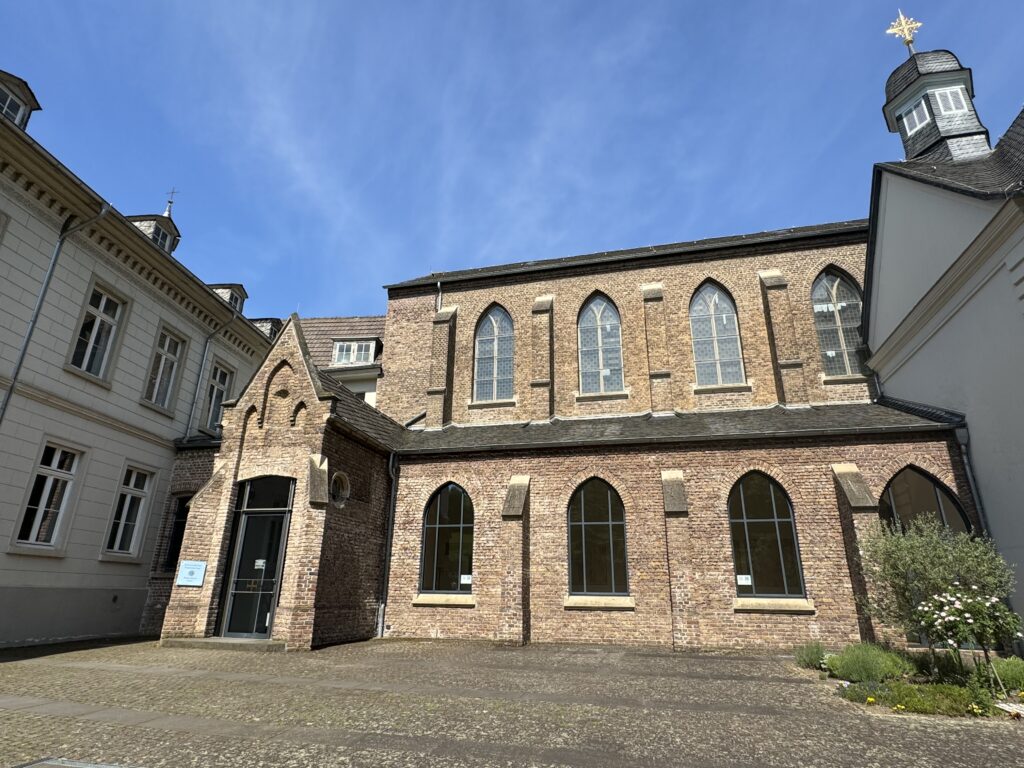
After Jewish synagogues and businesses were destroyed in Bonn during Kristallnacht, from November 9 to 10, 1938, Marie Kahle, together with her eldest son Wilhelm, helped clean up the wreckage of an acquaintance’s corset shop on Bonn’s Kaiserstrasse, but was confronted by a police officer in the process. This marked the beginning of a relentless witch hunt: Marie Kahle was summoned by the Gestapo, her son was expelled from the university, and Paul Kahle, a professor of Oriental Studies at the University of Bonn, was suspended and eventually barred from the campus.
The family came under increasing pressure: Newspapers denounced the Kahle family as “traitors to the people,” and this was followed by graffiti and attempted break-ins at their home. Marie Kahle was forced to hide for a time at the Benedictine convent in Bonn-Endenich, while a “family friend” urged her to commit suicide to spare the children a worse fate. At the convent, Marie Kahle found comfort and encouragement and converted to Catholicism. In March 1939, Marie Kahle managed at the last minute to organize the dramatic escape of the family of seven to England: just hours before the border closed, her sons also reached the English coast by ship. The family lost their home, their fortune, their reputation, her professorship, and, in 1941, their German citizenship as well.
Upon arriving in England in the spring of 1939, Marie Kahle documented her experiences in her account “What would you have done?”—a question that is also directed at future generations. Schirrmacher emphasized that this story shows that resistance often begins with small, everyday things and actions that can save lives.
Christine Schirrmacher, professor of Islamic Studies and Middle Eastern Studies at the University of Bonn, has been working for several years on the estate of Marie and Paul Kahle, which comprises approximately 15,000 documents in 15 archives in Germany and abroad.
The Upper Hessian Historical Society (OHG) is a regional historical society founded in Giessen in 1878 to research and disseminate the history of Upper Hesse; as early as 1879, it initiated the founding of what is now the Oberhessisches Museum; since 1889, it has published the scholarly journal “Mitteilungen des Oberhessischen Geschichtsvereins” (MOHG); and it organizes lectures, excursions, publications, and projects related to historic preservation and regional history.
Downloads and Links
- Photo 1: The Maria Hilf Benedictine Convent in Bonn, where Maria Kahle found refuge © BQ/Schirrmacher
- Photo 2: Invitation to the lecture in Giessen © BQ/Schirrmacher
- Photo 3: Illuminated commemorative plaque for Marie Kahle on Bonngasse in Bonn © BQ/Schirrmacher
- Photo 4: Old Castle in Gießen, venue for the event and headquarters of the Upper Hessian Historical Society © Wikipedia/Emha
- Photo 5: Memoirs of Marie Kahle – original English edition from 1945
- Photo 6: Commemorative plaque for Marie Kahle at the Kahle family home on Kaiserstrasse in Bonn © BQ/Schirrmacher
- Photo 7: The Kahle family home on Kaiserstrasse in Bonn in 2020 © BQ/Schirrmacher

