Federal-state action plan to be developed
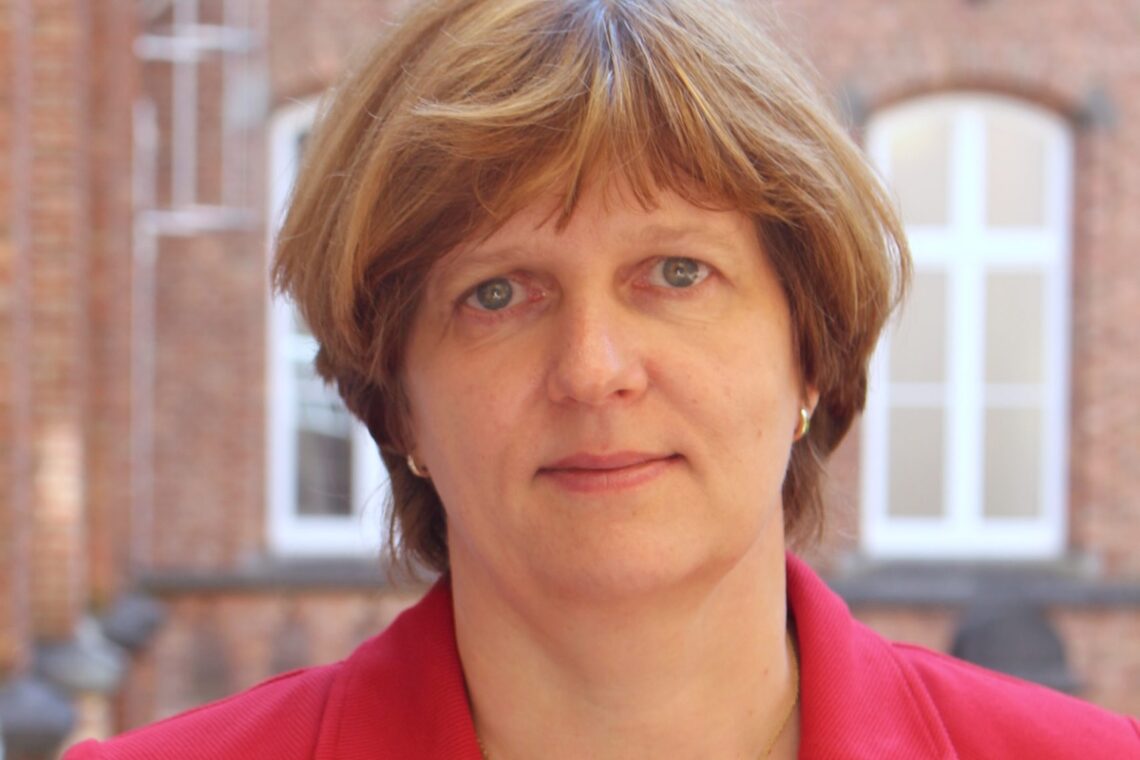
(Bonn, 27.11.2025) Christine Schirrmacher, professor of Islamic studies in Bonn and Leuven, has once again been appointed to a committee of the German Federal Ministry of the Interior, this time to the “Advisory Group on Preventing and Combating Islamism,” which is tasked with developing a federal-state action plan agreed upon in the coalition agreement, among other things.
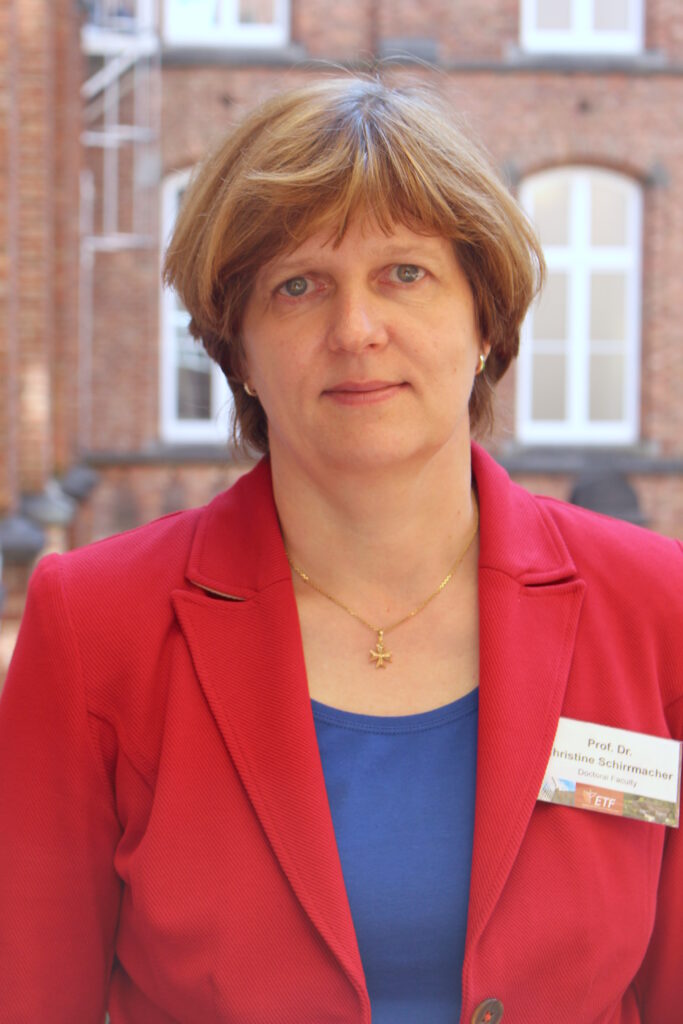
Christine Schirrmacher has previously served on several committees affiliated with the Federal Ministry of the Interior. She is currently a member of the advisory board of the Center for Analysis and Research (ZAF), an interdisciplinary research center currently being established at the Federal Office for the Protection of the Constitution (BfV). Previously, she was a member of the Independent Expert Group on Islamophobia (UEM) at the Federal Ministry of the Interior from 2020 to 2023 and, at the suggestion of the German Bundestag, a member of the advisory board of the Federal Agency for Civic Education, which is responsible for the Ministry of the Interior, from 2015 to 2023. Outside the Ministry of the Interior, she was appointed by the German Bundestag as a member of the Board of Trustees of the German Institute for Human Rights (DIMR) from 2016 to 2024, 2000–2023 guest lecturer at the Academy of the Foreign Service of the Federal Foreign Office, Berlin, and since 2015 member of the scientific advisory board of the Federation of German Criminal Investigators.
Christine Schirrmacher is also a member of the Center Council of the Center for Advanced Security, Strategic and Integration Studies (CASSIS) at the Rheinische Friedrich-Wilhelms-Universität Bonn. CASSIS cooperates with several federal ministries, primarily the Federal Ministry of Defense and the Federal Foreign Office, but also with the Federal Ministry of the Interior and the Federal Ministry for Economic Cooperation and Development. This cooperation covers security issues, strategic analyses, and integration policy topics, for which CASSIS provides scientific expertise and policy advice.
Christine Schirrmacher is also known as an expert witness, having appeared several times before the German Bundestag, most recently before an investigative committee of the Saxony-Anhalt state parliament, and in honor killing trials, wie zuletzt in Berlin (reported by BILD and taz).
Die WELT reports: “The BMI is to provide a total of eight million euros for the prevention of Islamism. State Secretary Christoph de Vries hopes, among other things, to expand research in this area. So far, this has been a gap in Germany. In addition, the BMI is considering the possible creation of a documentation center for political Islam based on the Austrian model.”
Announcement by the Working Group on Political Islam: “BMI establishes ‘Advisory Group on Islamism Prevention and Combating Islamism’ as a permanent body”
On November 21, 2025, the Federal Ministry of the Interior (BMI) presented another component of its strategy to combat Islamism in Germany: a broad-based advisory group is to develop the federal-state action plan agreed in the coalition agreement and focus more closely on legalistic Islamism and the ideological breeding ground for Islamist radicalization.
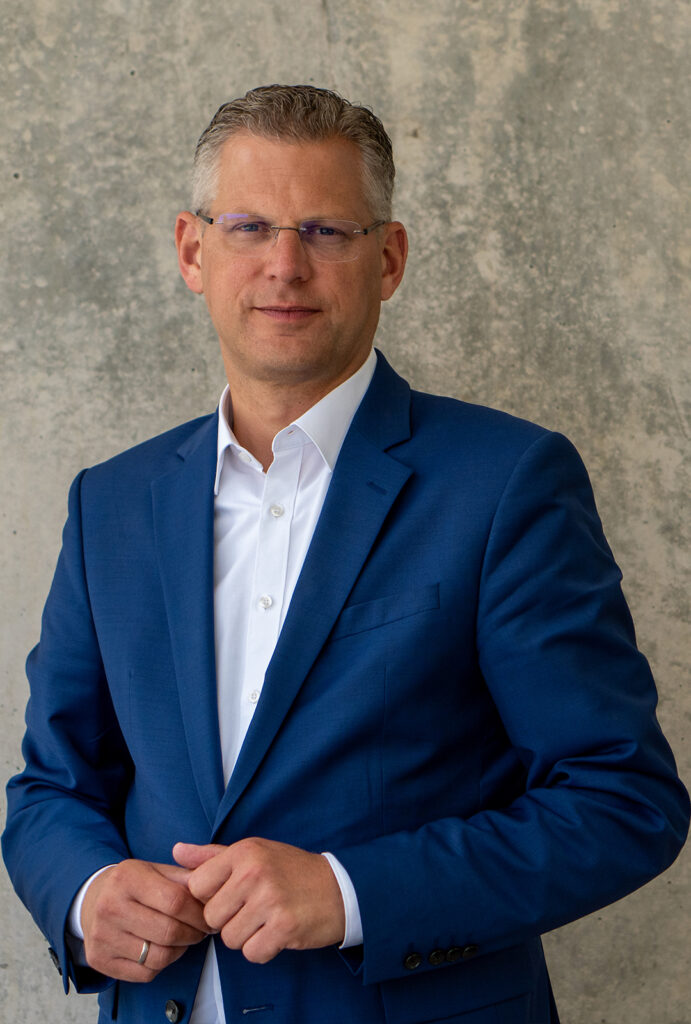
Parliamentary State Secretary Christoph de Vries explained that the existing Task Force on Islamism Prevention would be further developed in terms of content and reorganized in terms of personnel. The new body is called the “Advisory Group on Islamism Prevention and Combating Islamism” and is intended to cover a much broader range of topics than its predecessor.
The group’s central task will be to develop a federal-state action plan to combat Islamism, as provided for in the coalition agreement. De Vries emphasized that Islamism poses a threat to liberal democracy and social cohesion and acts as a driver of disintegration. This was demonstrated not only by the numerous completed and foiled Islamist terrorist attacks last year, but also by the increasing radicalization in the digital space, the spread of Islamist narratives, and Islamist influences in schools and universities—for example, in the form of religious bullying, strict gender segregation, and caliphate demonstrations with thousands of participants.
The State Secretary explained that in future, greater attention must be paid to the ideological breeding ground of Islamism. In addition to repressive measures such as banning associations, a holistic political and social approach is needed, which has been lacking until now. The aim is to develop social prevention strategies involving scientific, practical, and security authority expertise and to systematically map Islamist structures, activities, and influences.
De Vries thanked the previous members of the task force for their work and announced the new members of the advisory board. The advisory board consists of the following 15 people:
Science and research
- Dr. Christine Schirrmacher, University of Bonn and Leuven
- Dr. Mouhanad Khorchide, University of Münster
- Dr. Ruud Koopmans, Humboldt University of Berlin
- Dr. Kyrill-Alexander Schwarz, University of Würzburg
Practice, Prevention, Deradicalization, and Integration
- Güner Balci, Integration Officer for the District of Neukölln
- Gülden Hennemann, Bavarian Ministry of Justice
- Ahmad Mansour, Psychologist, Managing Director of the Mansour Initiative for Democracy Promotion and Extremism Prevention (MIND)
- Ali Ertan Toprak, Federal Chairman of the Kurdish Community of Germany e.V.
- Hans-Jakob Schindler, Counter Extremism Project (CEP Germany), former coordinator of the UN ISIL/Al-Qaeda Monitoring Team
- Rebecca Schönenbach, independent consultant in the field of counterterrorism and extremist financing
Security Authorities (federal and state)
- Florian Endres, Head of the Competence Center for Islamism Prevention and Deradicalization at the BAMF
- Aladdin Sarhan, Rhineland-Palatinate State Criminal Police Office
- Falko Liecke, State Secretary for Youth and Family Affairs in Berlin
- Nina Dierkes, Federal Office for the Protection of the Constitution
- Lars Rückheim, Federal Criminal Police Office
The committee will be chaired by a steering group from the Federal Ministry of the Interior, headed by State Secretary Christoph de Vries. He says: “Freedom of religion and freedom to criticize religion are precious commodities that must be preserved. This also includes protecting them from those who abuse them for political purposes and ideologies by turning them against other religions and our free social order.
Terrorist attacks, online radicalization, religious bullying in schools, strict gender segregation at universities, and caliphate demonstrations on our streets are unmistakable signs of Islamist polarization and radicalization in Germany. Islamism is a great danger to our liberal democracy and social cohesion in our country. The greatest danger is not violence alone, but the insidious poison of ideology. Islamists—whether they are prepared to use violence or not—must be met with the same rejection as political extremists on the left and right. Our message is clear: we oppose all anti-constitutional efforts with the same determination and consistency.
Non-violent Islamism in particular has long been underestimated – not least because of the skillful actions of its representatives. The new appointments and reorientation of the committee are the first important step toward changing this.
I am grateful that 15 experts from academia, practice, and federal and state authorities have agreed to participate in the Advisory Council on Islamism Prevention and Islamism Combating and to develop a federal-state action plan. This plan is to pursue a holistic strategic approach and provide concrete recommendations for action in areas such as prevention and repression in the digital space, education and awareness-raising, particularly in public institutions, Islamist financing and foreign influence, basic scientific research on Islamism, promotion of the establishment of university chairs, radicalization and religious bullying in schools, Islamist anti-Semitism, evidence-based monitoring of the success and effectiveness of funded prevention measures, and the establishment of a documentation center on political Islam.
Downloads and links
- Photo 1: Christine Schirrmacher © Evangelische Theologische Faculteit Leuven
- Photo 2: Christoph de Vries © Blaschka/van Teeffelen
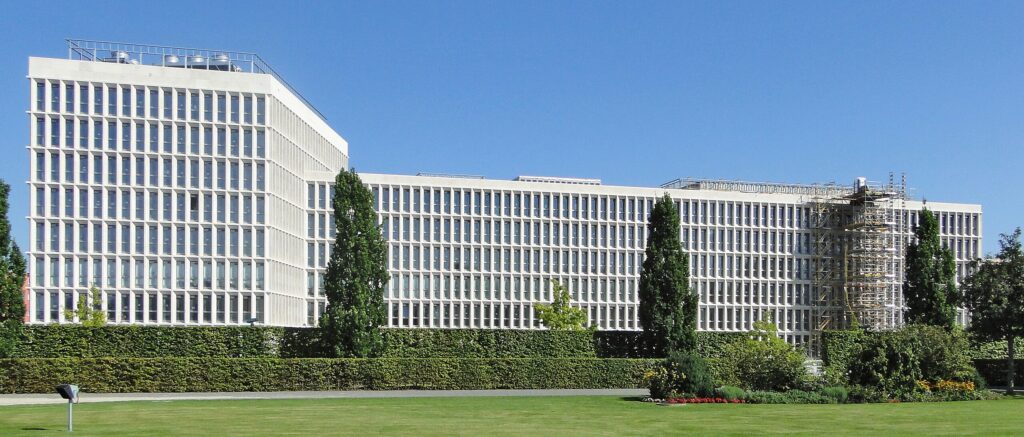
- Photo 3: New building of the Federal Ministry of the Interior in Berlin © C. Müller CC BY-SA 3.0
- Christine Schirrmacher’s website: https://christineschirrmacher.info
- Christoph de Vries’ website: https://christophdevries.de
- Press release from the BMI: https://www.bmi.bund.de/SharedDocs/pressemitteilungen/DE/2025/11/beraterkreis-islamismusbekaempfung.html
- BMI list of members of the new advisory group: https://bmi.bund.de/SharedDocs/downloads/DE/veroeffentlichungen/nachrichten/2025/mitglieder-beraterkreis.pdf?__blob=publicationFile&v=2
- Announcement by the Working Group on Political Islam: https://www.ak-polis.de/bmi-beraterkreis-islamismus/
- Announcement on welt.de: https://welt.de/politik/deutschland/article691f71410225d4fccbc2cde0/islamismus-innenministerium-tauscht-seine-berater-aus.html
- Report by the NZZ: https://www.nzz.ch/international/bundesinnenministerium-schafft-task-force-ab-und-beruft-15-neue-islamismus-berater-ld.1912965
- Press release by the Kurdish Community of Germany: https://kurdische-gemeinde.de/?p=17977
- Report on Focus Online: https://www.focus.de/politik/deutschland/krach-um-islamisten-plan-gruene-aetzt-gegen-zwielichtige-personen_43a80748-e914-4eab-8b24-09fca523ed64.html
- Report by IDEA: https://www.idea.de/artikel/islamismusbekaempfung-christine-schirrmacher-in-beraterkreis-berufen

